Maintenance
Part of How newsrooms verify breaking news and crisis claims with an incident ledger and five tracks
Rapid crisis verification checklist for the first hour
Rapid crisis verification checklist for authority, alerts, place, time, live media, casualty figures, protective instructions, update ownership, and corrections.
What to take away
- Use one incident ledger and assign an owner to every changing claim.
- Verify the issuer and current status of protective instructions before repeating them.
- Keep reported, preliminary, confirmed, estimated, and final figures in separate fields.
- Schedule the next check before publication.
- Distribute corrections through every channel that carried the wrong information.
This checklist is designed for the first hours of a fast-moving incident. It organizes verification but does not make every claim equally urgent. Complete the safety and alert sections first when the public needs immediate protective information.
Incident setup
- Create a neutral incident name and unique record.
- Record first notification time and time zone.
- Identify the incident editor and backup.
- Open separate tracks for alerts, event facts, people, numbers, media, and cause.
- Set one house time zone for the ledger while retaining original time zones.
- Record the evidence cutoff for every published update.
Protective information
- Identify the authority permitted to issue the instruction.
- Confirm through a known official channel or established contact.
- Capture alert identifier, issue time, onset, expiration, and cancellation status.
- Copy the hazard, geographic area, route, shelter, and action accurately.
- Check whether a watch, warning, order, advisory, or recommendation is being described.
- Remove superseded instructions from prominent live display.
- Preserve the earlier version in the audit record.
Jurisdiction and authority
- Map city, county, tribal, state, and federal roles.
- Identify the current incident command or lead investigative body.
- Record which agency owns each claim type.
- Ask whether the spokesperson is reporting direct agency knowledge or partner data.
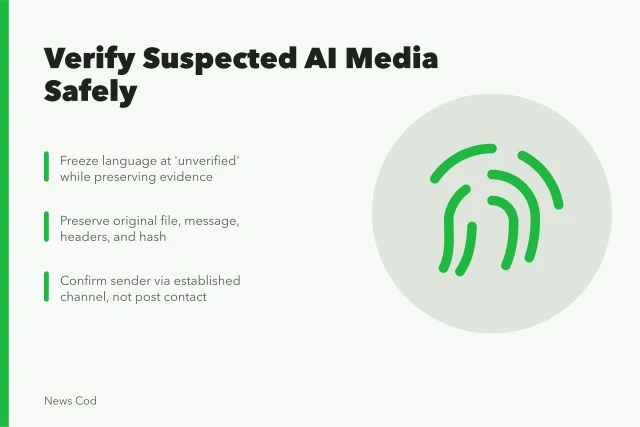
- Verify contact through a directory or prior relationship, not the disputed message.
- Note the next official briefing and designated source.
Event basics
- Confirm the street address, facility, coordinates, or named area.
- Establish occurrence time separately from report and publication time.
- Verify what happened without assigning cause.
- Check road, transit, school, utility, and facility effects independently.
- Distinguish an active hazard from recovery, investigation, or monitoring.
- Confirm that a dramatic nearby event is part of the same incident.
Source ledger
For every claim, record:
| Field | Required entry |
|---|---|
| Exact claim | Quotable sentence or number |
| Source | Named person, record, feed, or agency |
| Access | Direct, partner data, witness, repost |
| Time | What time the claim describes |
| Status | Reported, preliminary, confirmed, corrected, final |
| Scope | Geography, category, and exclusions |
| Next check | Owner and time |
The World Health Organization treats risk communication as an operational capacity, not a press function. It is a core capacity under the International Health Regulations, paired with community engagement so accurate information reaches the affected community in usable form.
A newsroom checklist should cover how stressed audiences receive and act on information, not just whether a sentence is technically accurate.
Numbers and people
- Separate dead, missing, injured, transported, admitted, treated, rescued, and displaced.
- Record the agency, jurisdiction, cutoff time, and definition for each number.
- Check for hospital transfers and overlapping agency counts.
- Do not infer death from a missing-person list or witness account.
- Confirm names with the authority responsible for identification.
- Ask whether family notification is complete.
- Avoid publishing personal medical details that do not serve a clear public need.
User media
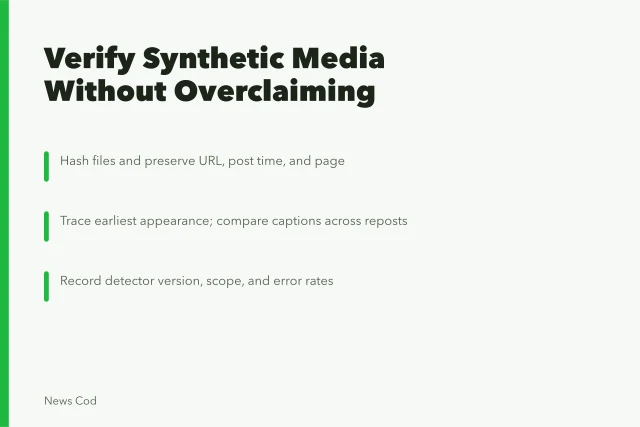
- Save the full post, account identifier, URL, caption, and time.
- Obtain the best available file and preserve its hash.
- Trace the earliest known upload.
- Verify creator identity and access.
- Geolocate landmarks and compare daylight, weather, and event chronology.
- Check older uses of the same media.
- Avoid directing contributors into danger.
- Limit graphic or identifying content.
Cause and responsibility
- Record each early cause statement with speaker and exact wording.
- Distinguish observed origin, suspected mechanism, probable cause, and legal fault.
- Check document stagecomplaint, preliminary report, lab result, final finding.
- Ask which alternative explanations remain open.
- Avoid filling official silence with witness speculation.
- Set a later review for the final investigative record.
Rumor monitoring
- Log the exact rumor, first known appearance, reach, affected audience, and possible harm.
- Check whether answering it will reduce harm or only increase exposure.
- Lead with the verified fact and practical action, not a repeated falsehood.
- Link to the specific responsible authority.
- Watch for altered screenshots of earlier official statements.
- Record when the response itself becomes outdated.
The World Health Organization's account of the infodemic describes what an official rumor page tries to hold back. It names too much information, false material mixed in, and fast spread. That spread can drive risk-taking, erode trust in the responding authority, and lengthen the emergency.
A newsroom should verify each correction against the right program, location, and date, not treat one rumor page universally.
Publication control
- Put the newest confirmed protective instruction at the top.
- Add local date and time to every material update.
- Attribute preliminary facts in the same sentence.
- State what remains unknown.
- Name unavailable systems or unreachable authorities when relevant.
- Require a second editor for identities, casualty figures, cause, and blame.
- Set the next scheduled update before publishing.
Correction and closeout
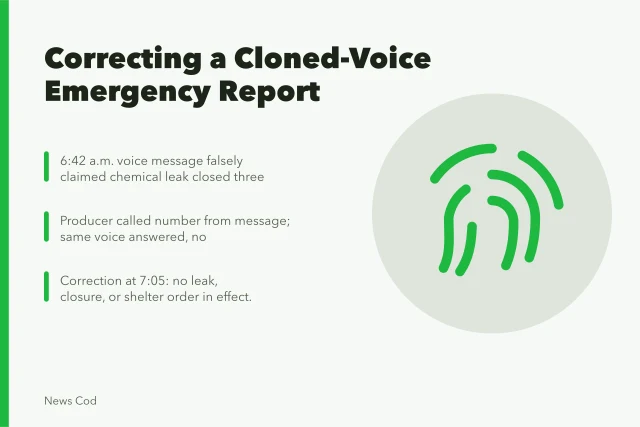
- Stop active distribution of dangerous incorrect instructions.
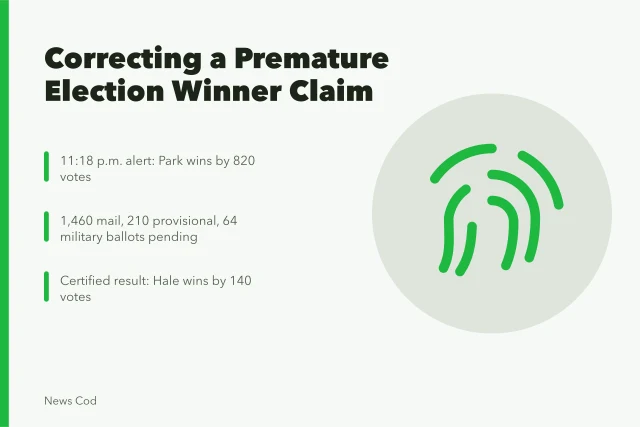
- Publish a plain correction that states the error and correct fact.
- Correct alerts, social posts, broadcast scripts, live blogs, and partner feeds.
- Record when each channel was fixed.
- Preserve the old version internally.
- Contact people harmed by a naming or status error.
- Close the incident with final instruction status and unresolved questions.
- Hold a review of errors, near misses, staffing, and tooling.
Common questions
Should all checklist steps delay an urgent warning?
No. Confirm and publish the responsible authority's immediate protective action, then continue the other tracks.
What counts as a confirmed casualty number?
A figure attributed to the authority responsible for that category, with scope and time. It may still be preliminary and later revised.
Must every rumor be debunked?
No. Prioritize falsehoods causing safety, access, fraud, or public-trust harm. Avoid giving marginal claims a larger audience.
Who owns the next update?
Name one person and a check time for every open claim. "The desk" is not an assignment.