Rules
Common correction and newsroom transparency problems
Correction problems include silent edits, vague notices, weak prominence, partial channel repair, deleted evidence, false updates, and missing ownership.

Contributor
Lucas B. Hughes is the editorial byline assigned to this area. Background, definitions and the interpretation of available information belong to this editorial remit. Subject: News Literacy and Verification: news, cod. A general description is a starting point, not a substitute for the particulars. This is an editorial pen name used by the publication, not a claim of an independently verified personal identity.
Rules
Correction problems include silent edits, vague notices, weak prominence, partial channel repair, deleted evidence, false updates, and missing ownership.
Guides
Actor awards search: check a claim against the body's published list, matching body, year, category, and result; say clearly when you cannot verify it.
Guides
A practical guide to newsroom corrections and transparency: take error reports, log and verify them, choose labels, write notices, and repair every channel.
Reviews
Breaking news evidence channels compared across alerts, sensors, dispatch, command, hospitals, witnesses, user media, preliminary reports, and final findings.
Guides
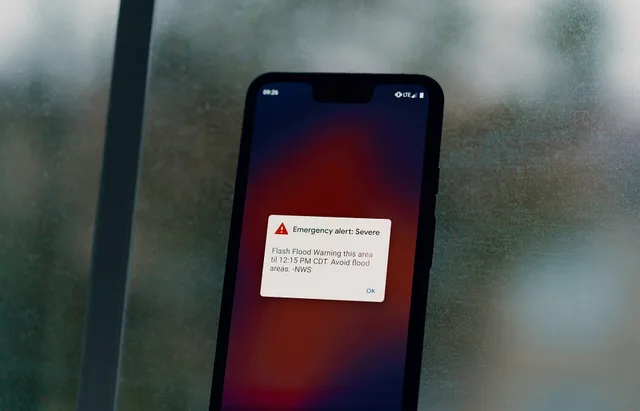
Emergency claim verification workflow for urgent alerts, jurisdiction checks, source callbacks, location, live media, public safety wording, and timed updates.
Features
Fictional case: a newsroom corrects a false emergency alert based on an impersonating voice with correction wording, failed callback verification, and audit table.
Rules
Synthetic media reporting problems include detector overclaiming, artifact guessing, provenance confusion, false context, unsafe sharing, and vague corrections.
Guides
A guide for reporters: define a synthetic media claim, preserve files, sort evidence into four lanes, use detectors cautiously, and publish a bounded finding.
Rules
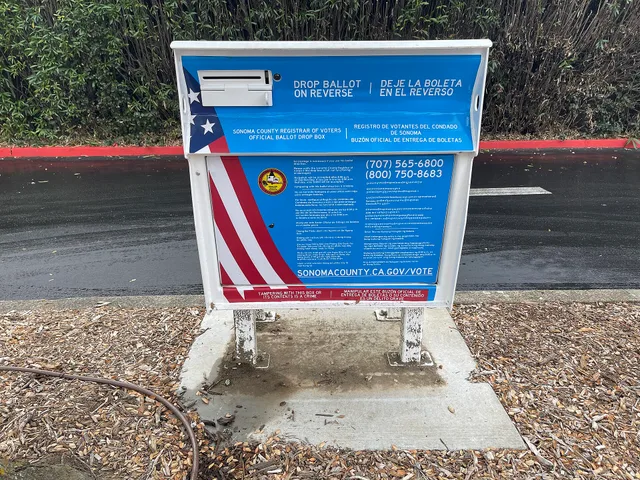
Election reporting problems explained, including premature winner claims, turnout math, audit and recount confusion, finance errors, and unsupported fraud labels.
Maintenance
An election claim checklist for claims that are not about counted votes: campaign finance, security incidents, polls and court filings, with records to open.
Maintenance
How to read a utility's consumer confidence report and SDWIS record to confirm or debunk a local boil-water or contamination claim, step by step.
Maintenance
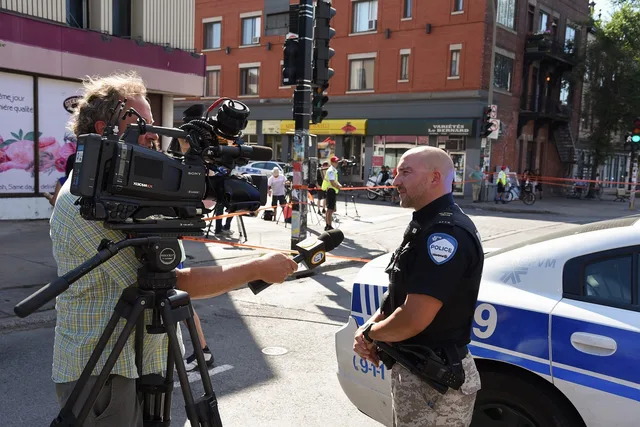
Learn how to verify police scanner claim reports with dispatch logs, blotters, jail rosters and court dockets before publishing.
Guides
A 12-step workflow to check a viral election claim: preserve posts, find the jurisdiction, ask officials, verify media and numbers, and check court records.
Guides
Radar overclaims, stale warnings and merged authorities change what readers do, so each fix starts with naming the product and its issue time.
Maintenance
Public document checklist for provenance, identity, type, status, version, completeness, authenticity, context, redactions, calculations, citation, and review.
Guides
PACER vs state court dockets decides where a case record lives and what it costs. Federal filings are centralized and paid; state lookups vary by county.
Guides
To verify PACER court filing screenshots, compare the case number, filing date, judge, cited page, and current status with the live docket and filed document.
Guides
Verify bill signing claim with five checks against state legislature bill status pages, governor veto records, and official enacted laws databases online.
Guides
See what it costs to verify Statistics Canada claim numbers—from free LFS data to illustrative software, training, and review expenses.
Guides
A Chicago police scanner claim needs three record sets to stand up: Cook County court dockets, City Council agendas, and CPD incident reports.
Rules
This article explains how US political ad deepfakes relate to FEC disclaimers, advisory opinions, platform policies, C2PA provenance, and NIST benchmarks.
Guides
Learn how to request public records step by step: name the office, the record series, the custodian, and the date range before you file.
Reviews
A checklist for verifying AI synthetic media claims: what vendor evidence, NIST evaluations, C2PA Content Credentials and detector scores can show, plus steps for checking a viral clip itself.
Guides
A guide to checking US Canada border and trade claims with Census trade tables and CBP data, covering units, source vintages and four common failure modes.
Guides
Verify disaster claims with NOAA and FEMA records: hurricane advisories, storm reports and OpenFEMA declarations for Houston and Miami posts.
Guides
Match each US election claim to its record: FEC filings for campaign money, county clerk pages for raw returns, state portals for certified totals.
Features
Survey correction case showing how a newsroom finds an unsupported trend, checks margins of error and wording, repairs a chart, and publishes a complete correction.
Features
Flood video correction case tracing an old clip through reposts, geolocation, shadow and construction clues, source contact, publication repair, and prevention.
Rules
Science and health reporting problems explained, including causal overreach, relative-risk framing, surrogate outcomes, product status, and image claims.
Rules
Statistics and chart reporting problems explained, from missing denominators and uncertain estimates to distorted axes, weak poll questions, and false causal claims.
Rules
Ten verification problems that let false posts through, each with the check that catches it, from badge trust to copied posts and hacked accounts.
Rules
Nine visual verification problems, from baseline screenshots to detector confidence scores, with the specific check that resolves each one before publication.
Maintenance
Account and viral-claim checklist for preservation, identity, control, badges, origin, reposts, links, evidence, coordination, safety, publication, and correction.
Guides
Poll audit workflow for sponsor, population, sample, recruitment, fieldwork, questions, weighting, uncertainty, subgroup comparisons, headlines, and corrections.
Guides
Use this framework to verify an online source: identify its publisher, read laterally, trace key evidence, and record what remains unresolved.
Guides
This visual geolocation workflow shows how to match a photo or clip to a place, narrow its date, and report what the evidence can and cannot support.
Guides
Image and video verification means separating origin, place, time and edit into distinct claims, then testing each against records before you publish.
Maintenance
Source and claim verification checklist for scope, origin, authority, evidence, independence, quotations, numbers, conflicts, response, wording, and corrections.
Guides
This source evaluation guide shows how to split compound claims, test evidence by claim type, trace images and records, and judge source authority.
Reviews
Statistical measures compared across counts, proportions, percentages, rates, ratios, indexes, means, medians, change measures, and seasonal adjustment.
Guides
This statistics verification guide offers a framework for tracing figures, judging uncertainty, reviewing surveys, and checking what charts support.